
Blog
How to Choose Linen Pants: A Complete Buying Guide

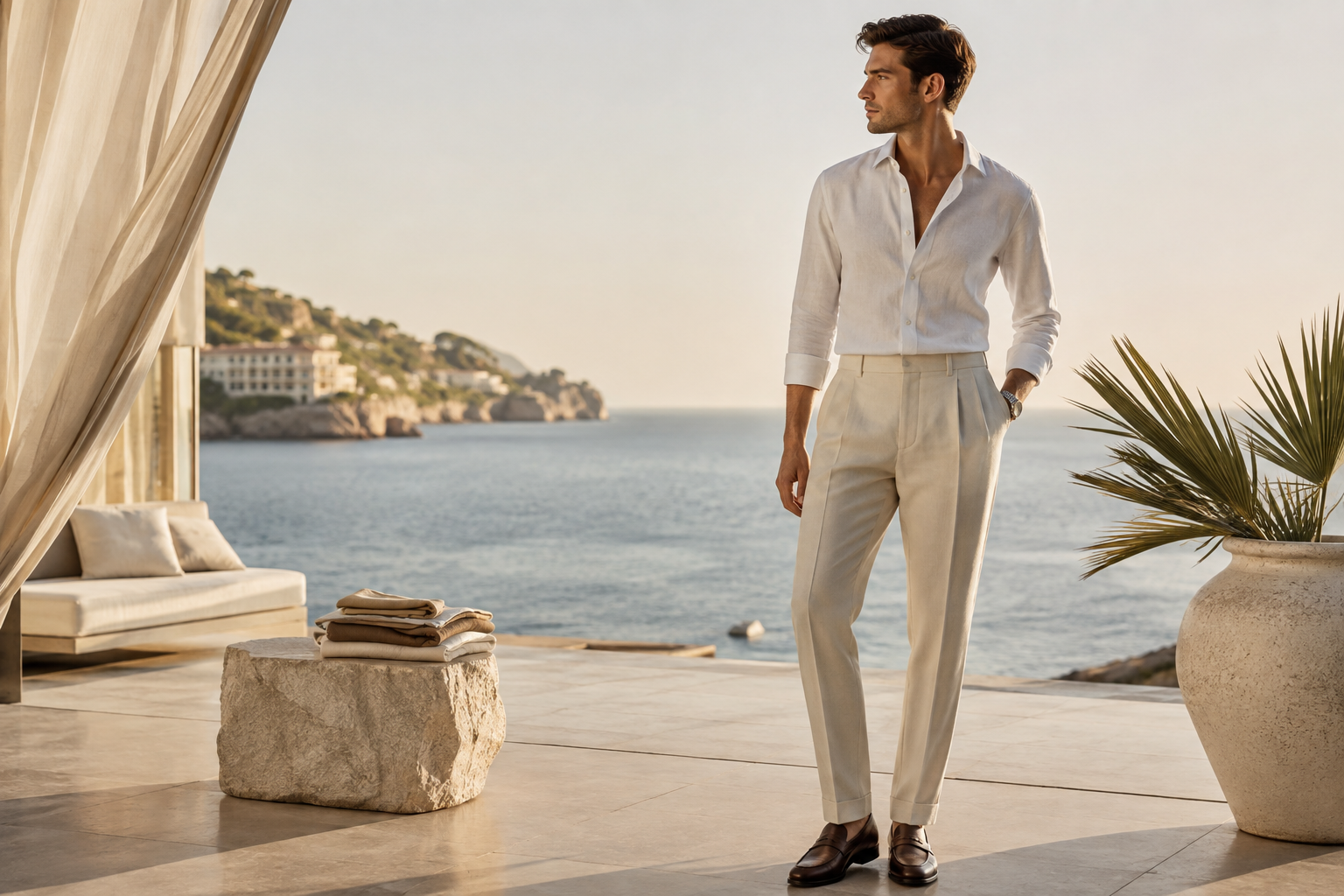
How to Choose Linen Pants That Fit, Flatter, and Last
Knowing how to choose linen pants comes down to two decisions that matter more than anything else: fabric weight and cut. Get those right and the rest — color, hem length, how a pair looks with a white tee versus a blazer — falls into place on its own. This is an independent buying guide from Linen Pants (linenpants.shop). We’re not a manufacturer, and when a link below sends you to Amazon or another retailer, that’s who you’re actually buying from, not us. What follows comes from wearing a rotation of linen trousers through more than one sweaty summer, not from rewriting a spec sheet, and by the end you’ll discover which gsm range and cut actually suit how you plan to wear the pants.
What Actually Makes a Pair of Linen Pants Good
“Lightweight and breathable” shows up on nearly every linen product page, and it’s true of almost every pair on the market — which means it doesn’t help you choose between them. Flax, the plant linen is woven from, has been made into clothing for thousands of years, and that long history is part of why the fabric behaves the way it does: two numbers, fabric weight and weave density, do the actual work of separating a good pair from a forgettable one.
Fabric Weight: Why the GSM Number Matters
Linen weight is measured in grams per square meter (gsm), and it’s the single best predictor of how a pair will behave. Lightweight linen, in the 120–150gsm range, is airy and almost sheer — genuinely perfect for warm, humid climates, but it wrinkles the moment you sit down and can show more than you’d like in bright sun. Midweight linen, roughly 170–200gsm, holds its shape better, drapes instead of flopping, and is the ideal starting point for a first pair you want to wear more than once a week. If a product page doesn’t list gsm at all, treat that as a caution flag rather than a dealbreaker.
Weave, Certification, and Reading the Hangtag
A tighter, more even weave feels soft rather than scratchy against skin and holds a crisp line even after a full day of wear — that’s craft as much as it is raw material quality. Two certifications are worth actually checking for rather than taking on faith: European Flax and Masters of Linen, which verify the flax was grown and processed in Europe under an audited, sustainable, traceable supply chain, and OEKO-TEX Standard 100, which tests the finished fabric for harmful substances. Neither certification is essential for a good pair of pants, but seeing one on a hangtag is a reasonably reliable shortcut past marketing copy.
How to Choose the Right Fit and Cut
How Should Linen Pants Fit? Linen pants should sit at or just below your natural waist with enough room through the hip and thigh for the fabric to move — linen doesn’t stretch, so a snug fit in the store will feel restrictive by afternoon. The hem should break at or just above the ankle; anything that pools at the shoe traps heat and looks unfinished rather than relaxed.
Beyond that general rule, the design and cuts available range from wide leg pants down to a slim tapered leg, and some straight or wide-leg pairs add a pleated front for a touch more structure through the hip. The right one depends on what you’re pairing the pants with:
| Cut | Best For | Watch Out For |
|---|---|---|
| Wide-leg | Balancing a fitted or cropped top; hot climates | Can look boxy if the waist isn’t defined |
| Straight | Most body types; office-casual and travel | Less forgiving of wrinkles than wide-leg |
| Tapered / cropped | Showing off shoes; petite frames | Cropped length can visually shorten a shorter leg |
| Relaxed straight | All-day comfort, lounge days, travel | Not the pick if you want a tailored silhouette |
| Pull-on / drawstring | Airports, humid weather, size uncertainty | Can read too casual for dressier occasions |
If you’re petite and worried a wide-leg pair will overwhelm your frame, a cropped, higher-rise cut with a slight taper tends to be the safer, more versatile starting point — that versatility is exactly why a neutral straight-leg pair is worth owning before you branch into anything bolder. Check pocket depth too; it matters more than it sounds like once you’re actually traveling in the pants.
Linen vs. Cotton for Warm-Weather Pants
Cotton feels comfortable immediately out of the package and needs less commitment to care for. Linen wins on breathability and heat management — its fibers are hollow and wick moisture away from skin faster than cotton’s, which is why linen keeps you cool and consistently feels several degrees cooler in real heat. The trade-off is wrinkling: cotton bounces back from a day of sitting; linen does not, and treating that as a flaw rather than the fabric’s actual texture is where most first-time buyers go wrong. If you want the look of linen without the constant upkeep, a linen-cotton blend around 55/45 is a solid option — less breathable than 100% linen, more wrinkle-resistant, and usually a few dollars cheaper.
How to Choose a Color for Your Linen Pants
Neutral tones — stone, oatmeal, olive, navy — do more work in a warm-weather wardrobe than white does, even though white linen pants get most of the styling attention online, and they read as timeless rather than seasonal. A single pair of white linen pants is worth having, but it’s the third or fourth pair you buy, not the first, since it shows dirt fast and needs a slip underneath for most fabric weights. A well-chosen neutral, stylish pair looks right with almost everything already in your closet — start there, then branch into a print or a bolder color once you know which cut you actually reach for.
How to Style Linen Pants for Different Occasions
What Shoes to Wear With Linen Pants. Sandals or espadrilles complement a wide-leg pair and keep the outfit casual. A clean white sneaker works for everyday wear and travel. For anything dressier — dinner, an evening event — a loafer or a low block heel dresses the same pair up without changing the pants themselves.
Dressing Linen Pants Up or Down. A relaxed straight pair with a tank and sandals is a warm-weather everyday staple. Swap the tank for a tucked linen or silk shirt and add a loafer, and the same pants suit a dinner reservation — a tailored straight leg in navy brings some sophistication to warm-weather dressing without giving up comfort. The goal in either direction is an effortless-looking outfit, not a fussed-over one. For men’s linen pants specifically, a straight or tapered cut in navy or stone pairs cleanly with a linen or oxford shirt for anything from a beach wedding to a casual summer office.
Caring for Linen Pants: Wrinkles, Washing, and Longevity
Wrinkling isn’t a defect to fix — a slightly rumpled, chic look is part of linen’s appeal, and fighting it constantly is a losing, frustrating habit. Linen rewards you when you embrace the laid-back texture instead of fighting it. A few practical adjustments still help:
- Remove pants from the dryer while still slightly damp and smooth them by hand; most of the crease relaxes on its own.
- Hang rather than fold in a drawer, especially for straight and tailored cuts.
- Wash in cold water on a gentle cycle — linen genuinely gets softer with every wash, so resist the urge to over-treat it early on.
- Skip the dryer sheet; linen doesn’t hold static the way synthetic blends do, and the coating can dull the fabric’s natural texture over time.
Where to Shop for Quality Linen Pants
Once you know your gsm range, preferred cut, and a starting color, it’s worth taking time to explore a few retailers before buying — you’re filtering out most of a category instead of scrolling it blind. We keep a collection of linen pants organized by these same criteria, with purchases completing through Amazon and other retailers rather than through us directly; you can read exactly how that works on our affiliate disclosure page. If you’re curious how we test and compare pairs before recommending them, that’s covered on our about page.
There’s no single ultimate “best” cut, and hunting for the perfect pair matters less than knowing your own gsm and cut range going in. The pants that earn a permanent, everyday spot in a warm-weather wardrobe are rarely the flashiest ones in a collection — they’re the ones whose weight and cut actually matched how you planned to wear them. Get that match right, and the right pair does more to elevate your wardrobe for warm weather than almost anything else you’ll buy this season.
5. FAQ Section
Is 100% linen worth it for pants?
For hot, humid climates, yes — the breathability and heat management are noticeably better than cotton or a blend. If you rarely deal with real heat, a linen-cotton blend gives most of the look with less wrinkling and easier care.
How does 100% linen compare to cotton for pants?
Linen breathes better and feels cooler in humidity because its fibers wick moisture faster than cotton’s. Cotton is softer immediately and wrinkles less, but linen holds up to repeated heat exposure and heavy wear better over time.
What shoes should I wear with linen pants?
Sandals or espadrilles for casual wear, a clean sneaker for everyday and travel, and a loafer or low heel to dress the same pair up for evening.
How can I prevent or manage wrinkles in linen pants?
You can’t fully prevent them — that’s the fabric’s texture, not a flaw. Smoothing pants by hand while slightly damp, hanging rather than folding, and skipping the dryer sheet all reduce the deepest creases without fighting the fabric’s nature.
Who sells high-quality linen pants?
Look for retailers who list fabric weight in gsm and disclose the weave or a certification like European Flax, rather than just using “premium” as a marketing word. We compare options from multiple retailers on our shop page.
How can I style linen pants so they look flattering instead of boxy?
Define the waist — a belt or a fitted top at the waistband keeps a wide-leg pair from reading shapeless. Pairing a looser leg with a more fitted top, or the reverse, balances proportion better than matching two loose pieces.
7. Suggested External Links Used
- — European Flax / Masters of Linen certification, official Alliance for European Flax-Linen & Hemp page. Verified live.
- — OEKO-TEX Standard 100, official standard page. Verified live.


